
Mole Removal
Mole Removal Westchester, NY
Call (914) 293-7593 for 24/7 Emergency NY Wildlife Removal and Prevention
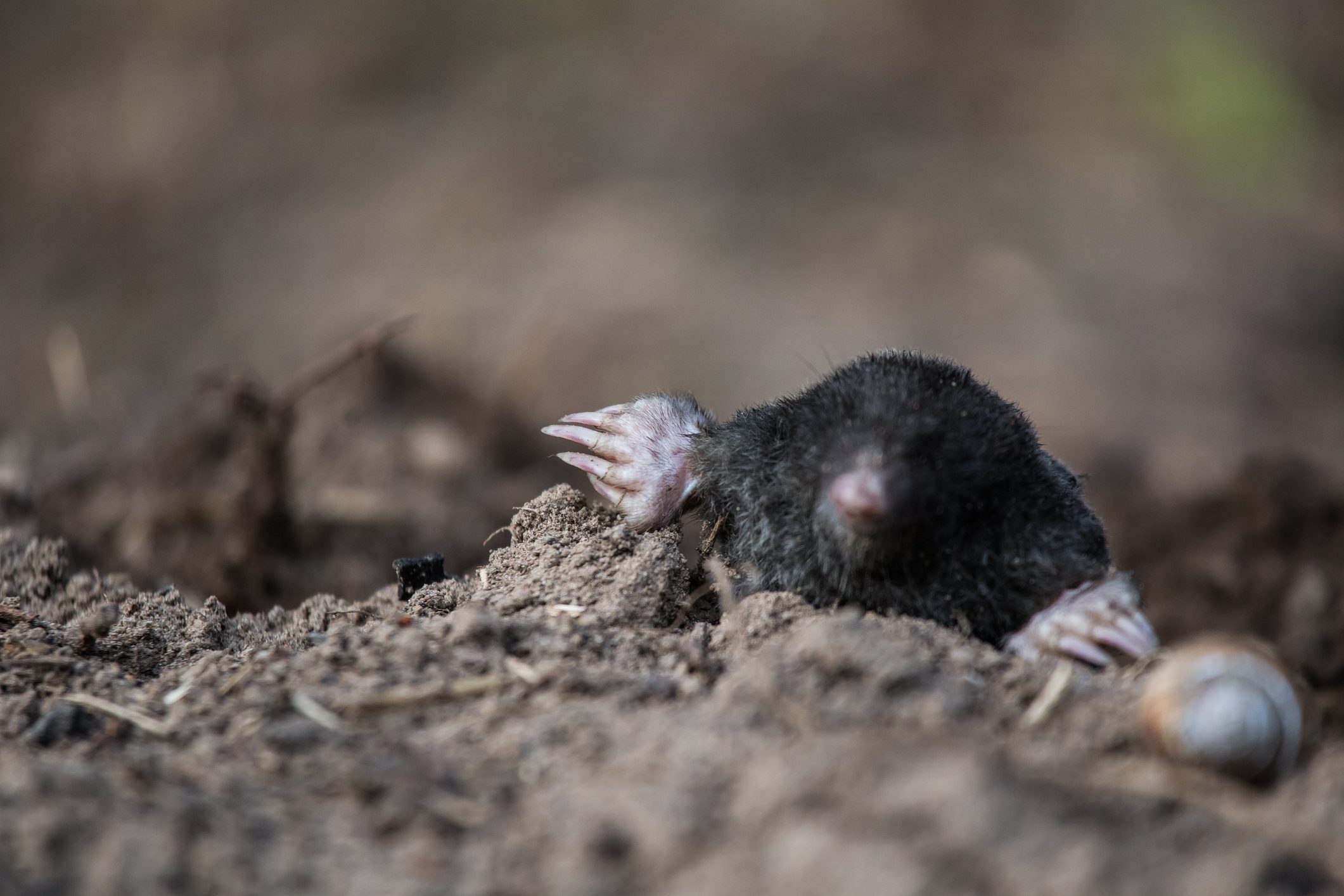
Eastern Mole (Scalopus Aquaticus)
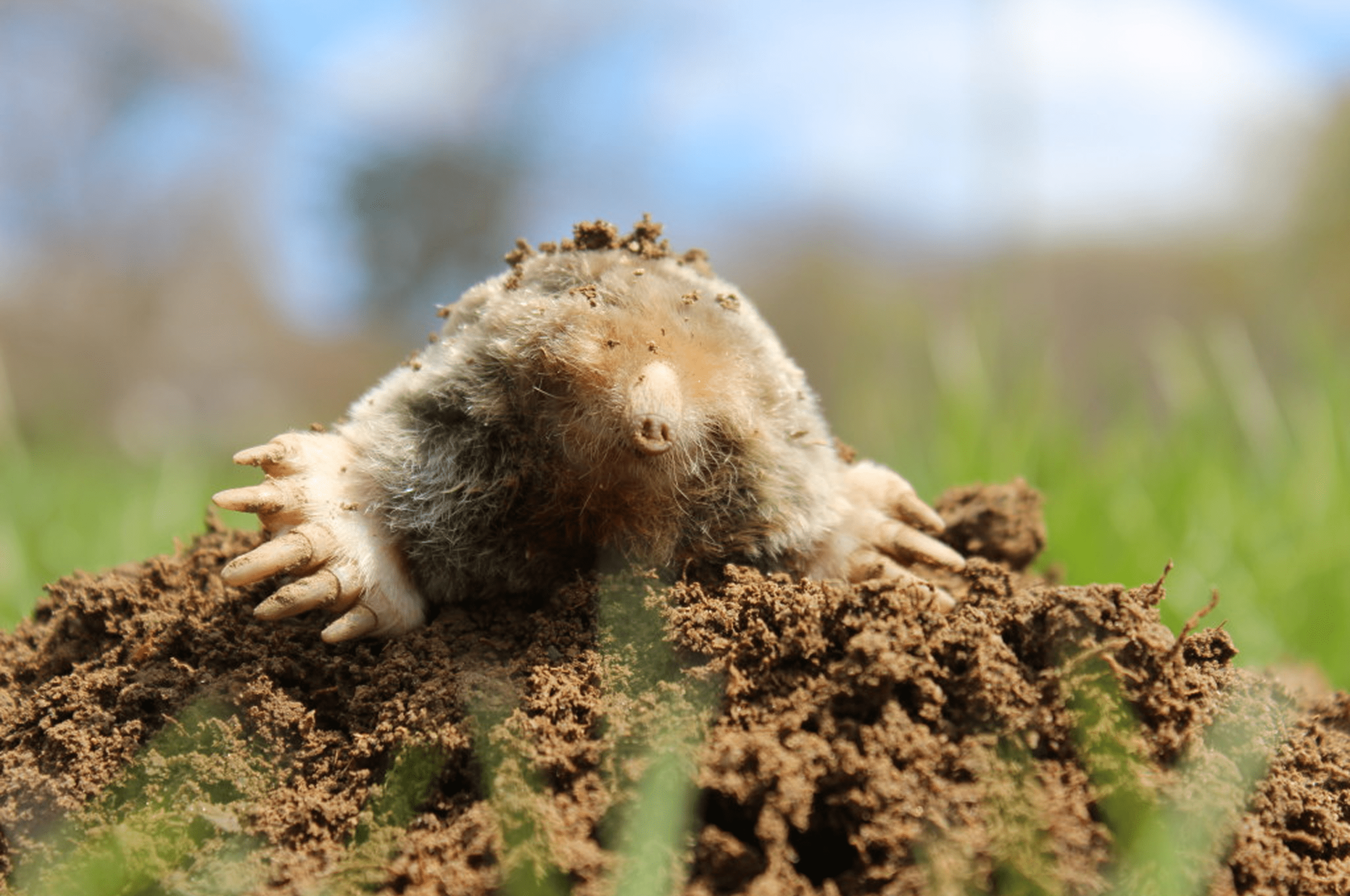
Also known as the common ground mole. Moles are often mistaken for rodents. In actuality, they are insectivores, with a diet consisting of earthworms and insect larvae. A mole’s average size is 6–7 inches in length and a weight of 3–4 ounces. Moles are solitary except for breeding. Often thought of as completely blind, moles actually have eyes that are hidden in fur. Their eyelids are permanently fused, and they can tell the difference between light and dark. Typically, a litter can range from two to five. With a rapid growth period, moles can leave the nest at four weeks and begin to burrow and shift for themselves.
Mole Damage
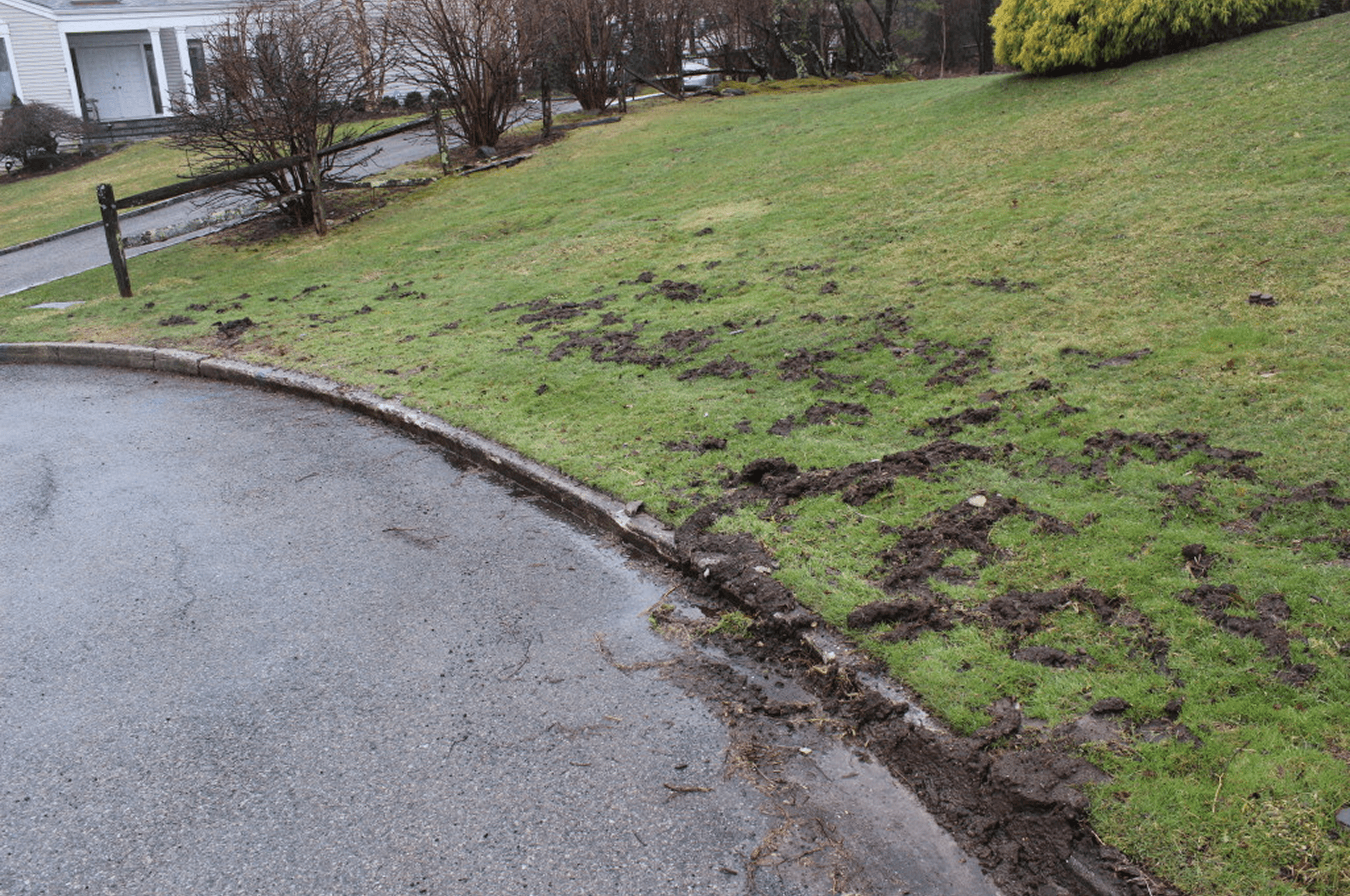
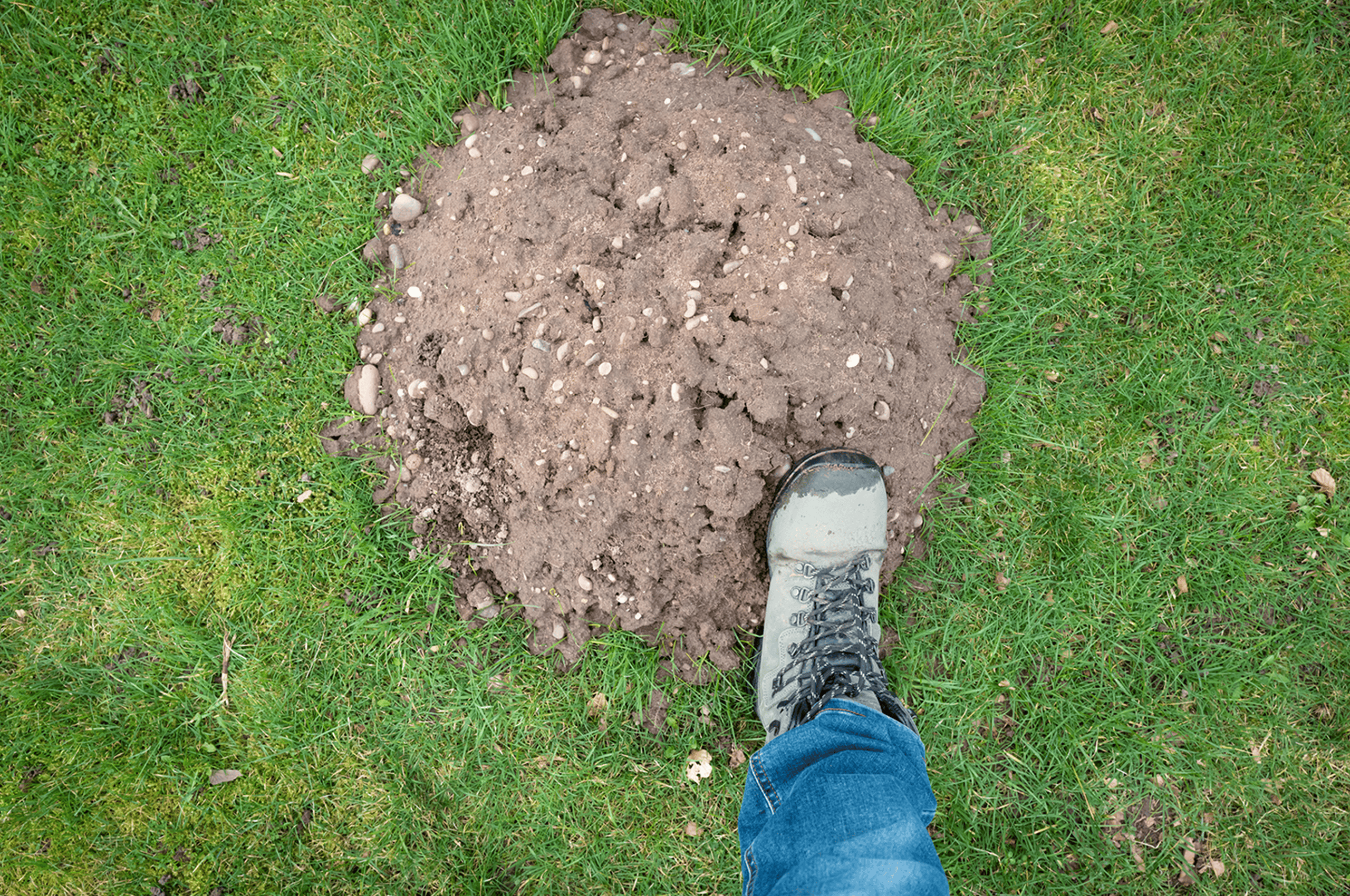
Moles can cause damage to almost all sorts of lawns and land. They are known to burrow beneath grass, flower beds, sod, and soil and leave behind mounds and ruptured soil. They can inhabit any type of land with the exception of large rocky or gravelly terrain. The reason for them inhabiting these specific areas is because of the abundance of invertebrates (earthworms, grubs, and other insect larvae), which make up a bulk of their diet.
Moles are equipped with large, paddle-like front feet with long claws, which enable moles to push through the soil, almost as if they were swimming through it. These tunnels provide moles with multiple feeding areas. They have been known to create up to 100 feet of tunnels per day. These tunnels can be found anywhere between three and 12 inches below the surface.
Mole Removal
Intrepid Wildlife Services can identify mole problems and provide solutions. We will trap moles within their tunnel system using safe, species-specific traps. Programs can effectively be completed in as little as one week.
Mole Prevention
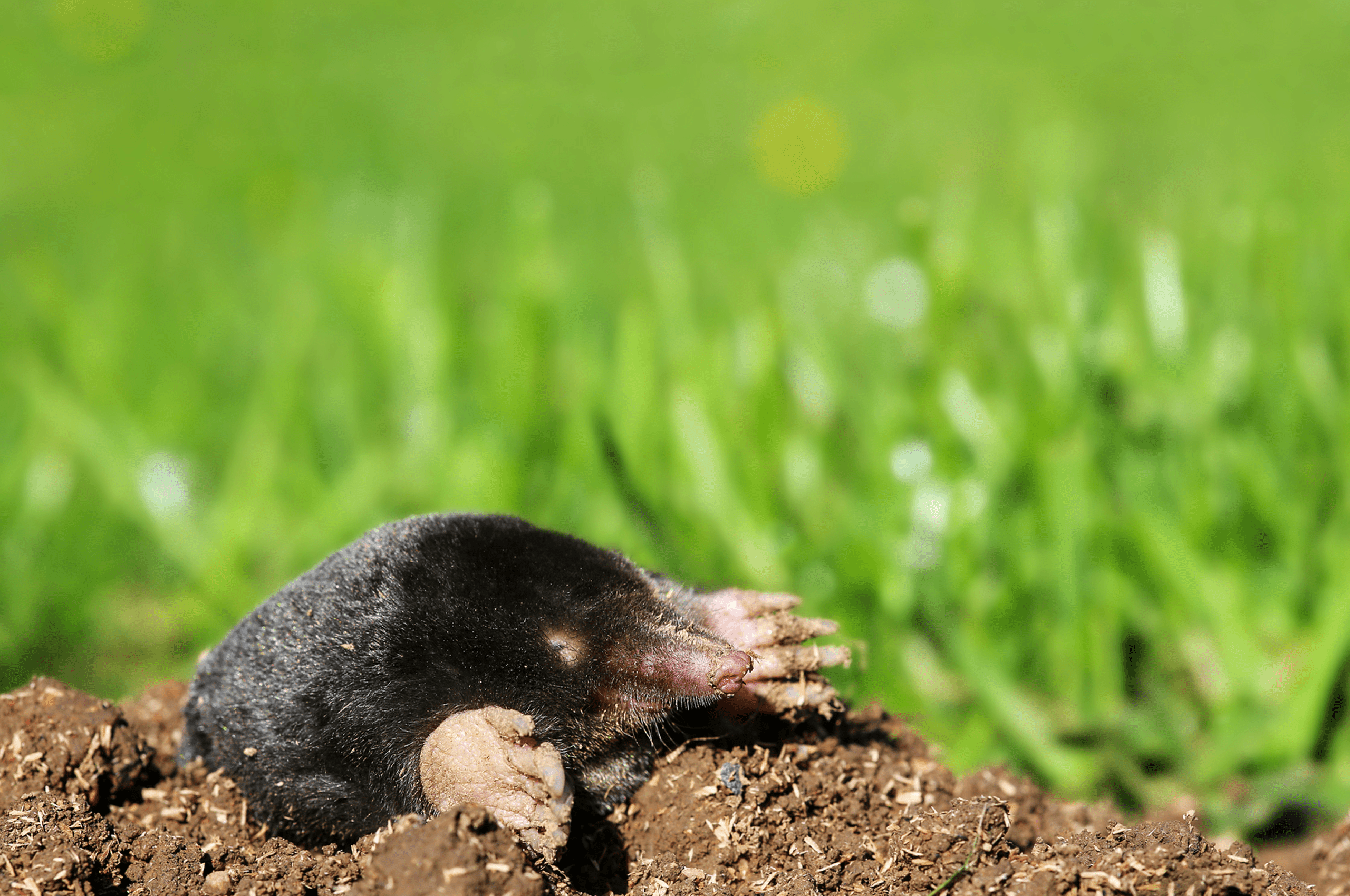
Currently, there is no true way to prevent moles. Wherever there are earthworms, there can be moles. If your property is heavily rocky, you are less likely to have moles, but even still, there's a chance.
Moles vs. Voles
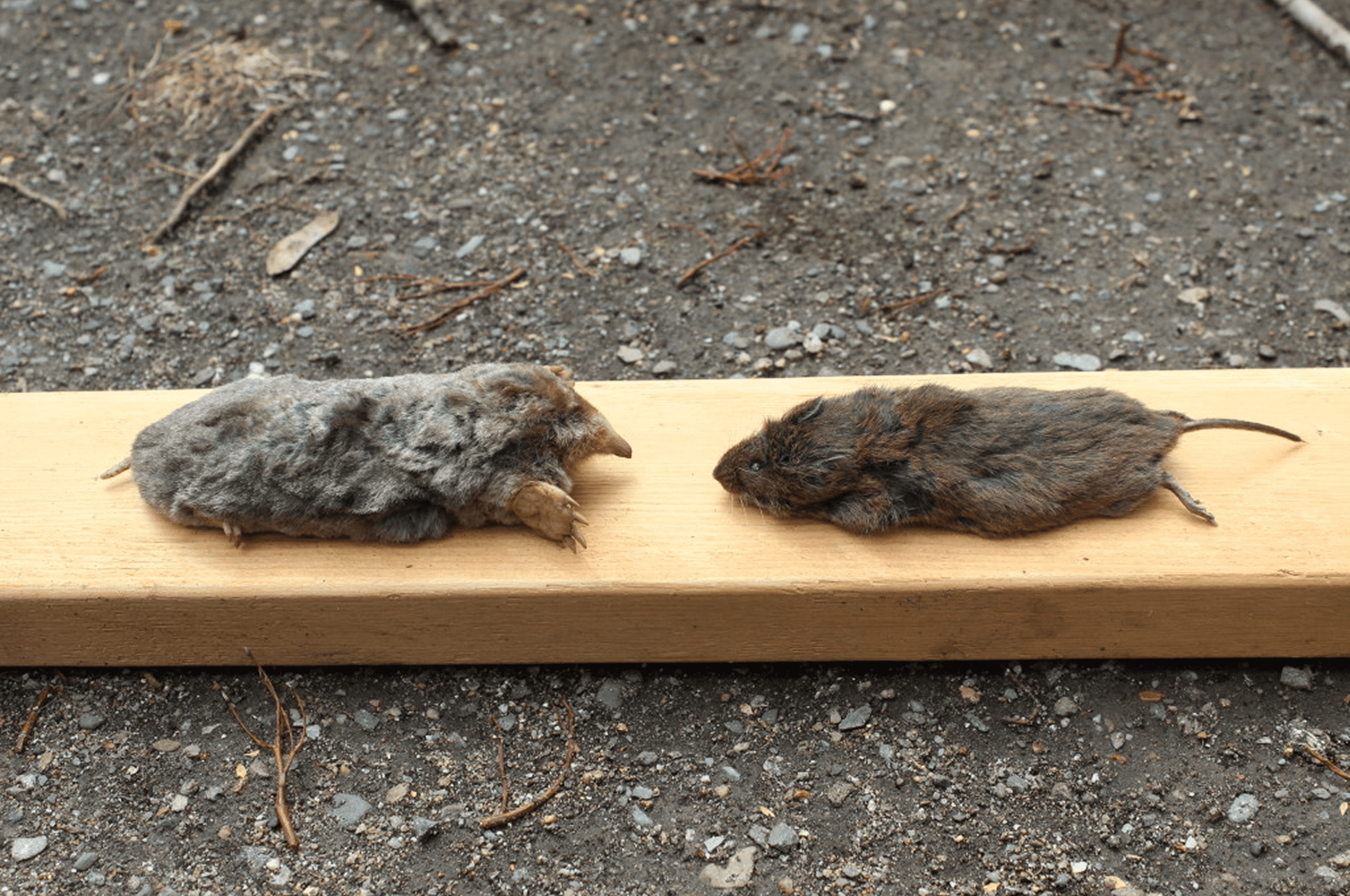
Quite often, we receive a call from a client telling us of mole damage in their lawn, only to find out that voles are the ones responsible. Unlike the mole, the vole is a herbivore (eats vegetation). Often, damages that are viewed in the spring are tunneling under the spring but above the surface of the grass.
On the left, a mole. The right vole.
Click here to learn more about voles.
Vole Removal
Vole Removal, Westchester, NY
Facts About Voles
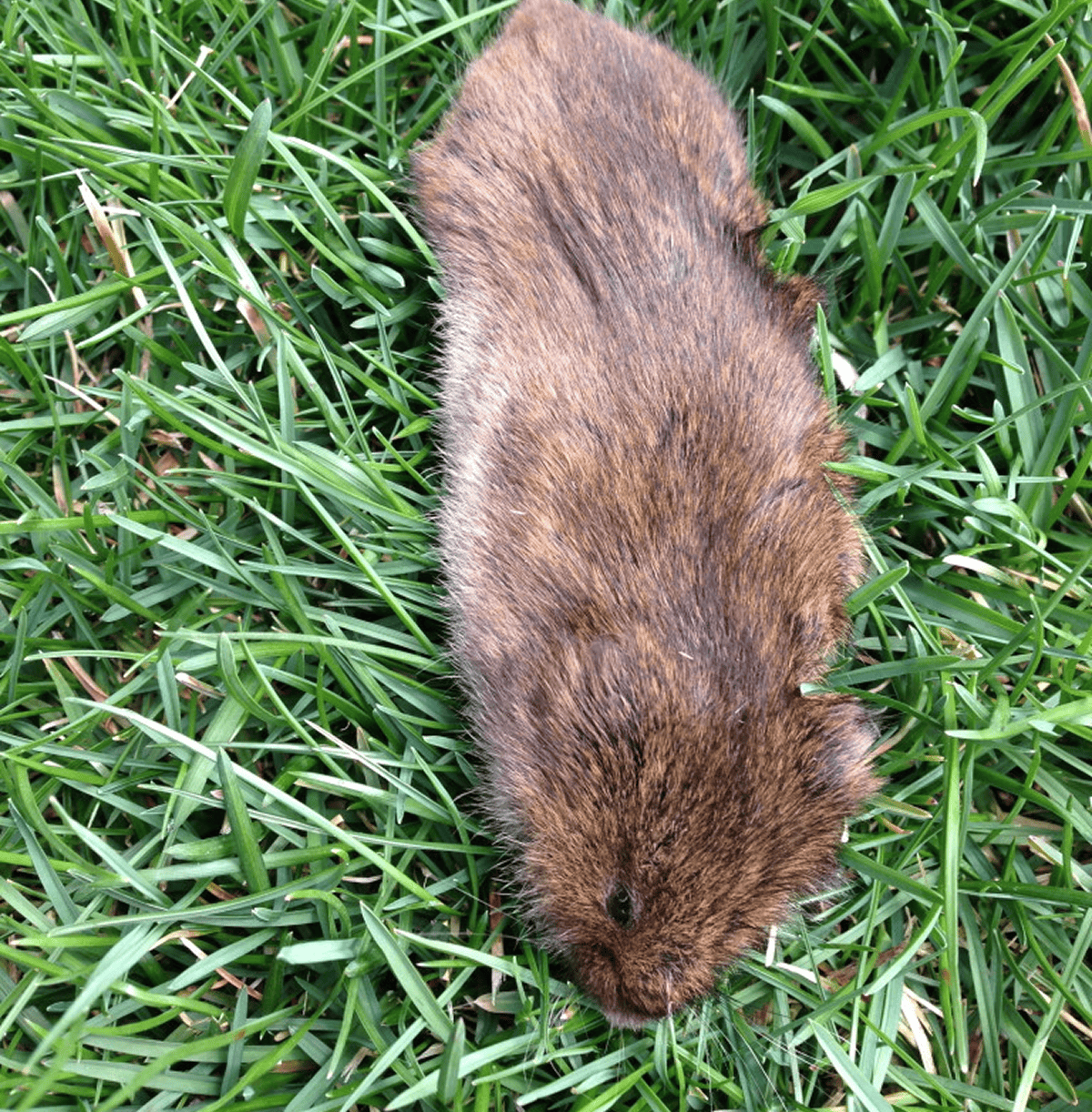
Also known as field mice and meadow mice in North America. Voles are herbivores (eat vegetation) and as a result can cause damage to any and all vegetation on a person's property. On average, a vole can grow anywhere from three to nine inches in length and can have up to ten litters per year, which can result in up to 100 offspring per year. Because of their burrowing tendencies, voles are often mistaken for moles. Their lifespan is typically between three and six months, but they can, rarely, live up to one year. Close to 90% of voles will not live past a month.
Voles Damage
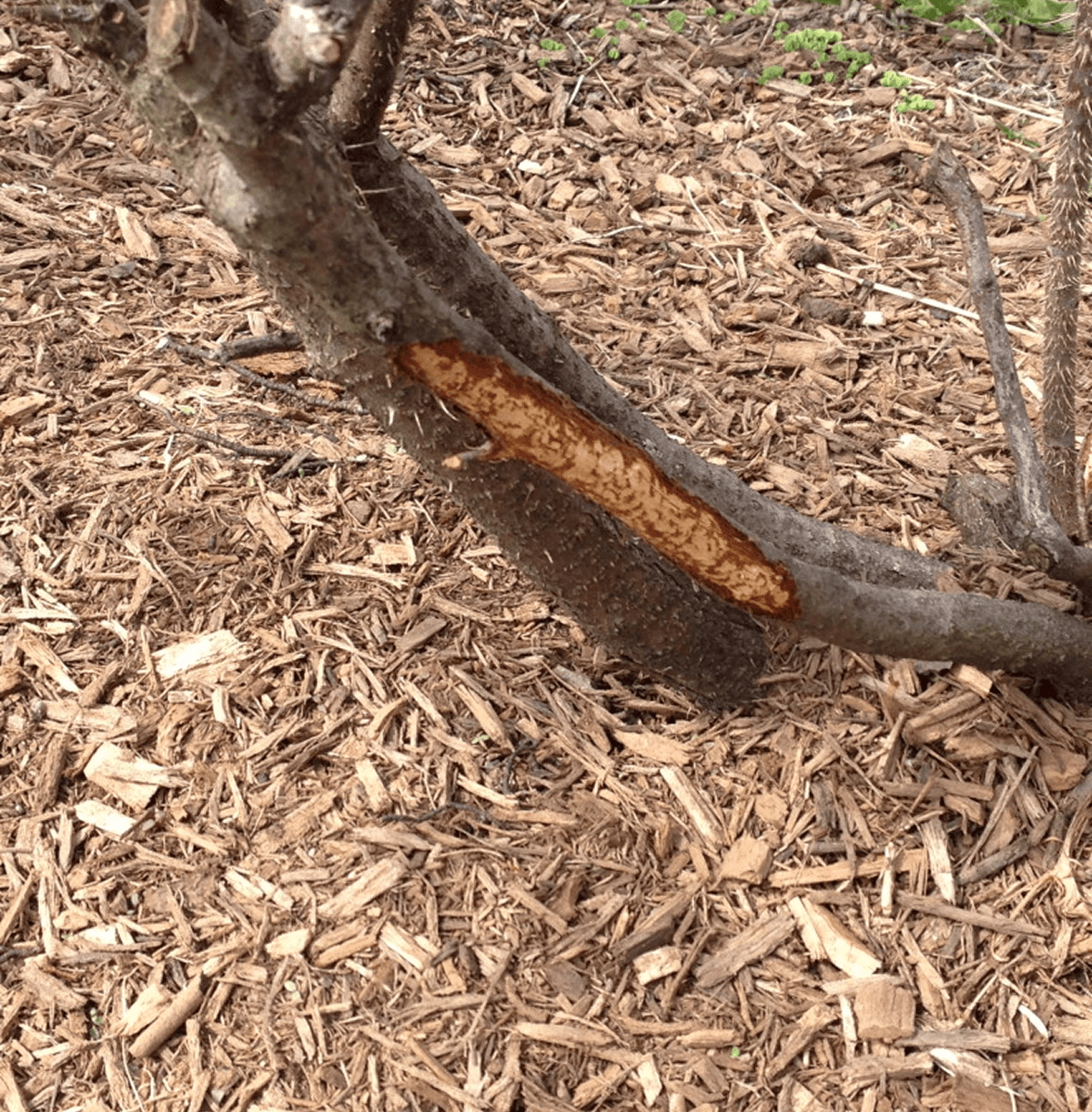
Since voles are mainly herbivores, they will target plants, bulbs, and roots. Oftentimes, they will girdle small trees and shrubbery at their base, which can kill the plant. Voles often move underground and, as a result, can target roots and bulbs of plants, killing them as well.
Aside from their destructive tendencies towards plants, they can also cause damage to a homeowner's yard. Quite often, Intrepid Wildlife Services will receive a call from a client saying they have mole damage. Upon arrival, through our inspection, we will determine that it is not moles but voles. Typically, voles will tunnel, but not on the same level as a mole. Mole tunnels will push the soil up to the surface. In addition to using mole tunnels, vole tunnels generally are only a hole(s) into the ground. As soon as the snow melts in the early spring season, homeowners may see what looks like surface tunnels through the grass, which look like a road map or runways, almost as if someone had taken a rope and dragged it through the grass, leaving snake-like trails.
Vole Removal
Intrepid Wildlife Services has had years of experience removing both voles and moles alike. We have had clients who have had large-scale tulip plantings that were being continuously damaged by voles. Trapping at these jobs often resulted in upwards of 40 voles being removed in a time span of ten days.
Once the preliminary inspection is complete and we have targeted travel corridors and entry tunnels, we will set up a specific trapping system and remove the voles daily. Typically, this can last anywhere between a week and two weeks, depending on the level of infestation.
Vole Prevention
Much like the mole, there is no true way to prevent voles. Because of their short lifespans, voles can be on your property one week and be gone the next. One can stay ahead of voles by keeping an eye on your property and calling immediately after the first sign of damage is seen.