
Turtle Removal
Turtle Removal Westchester, NY
Call (914) 293-7593 for 24/7 Emergency NY Wildlife Removal and Prevention
Turtle Biology
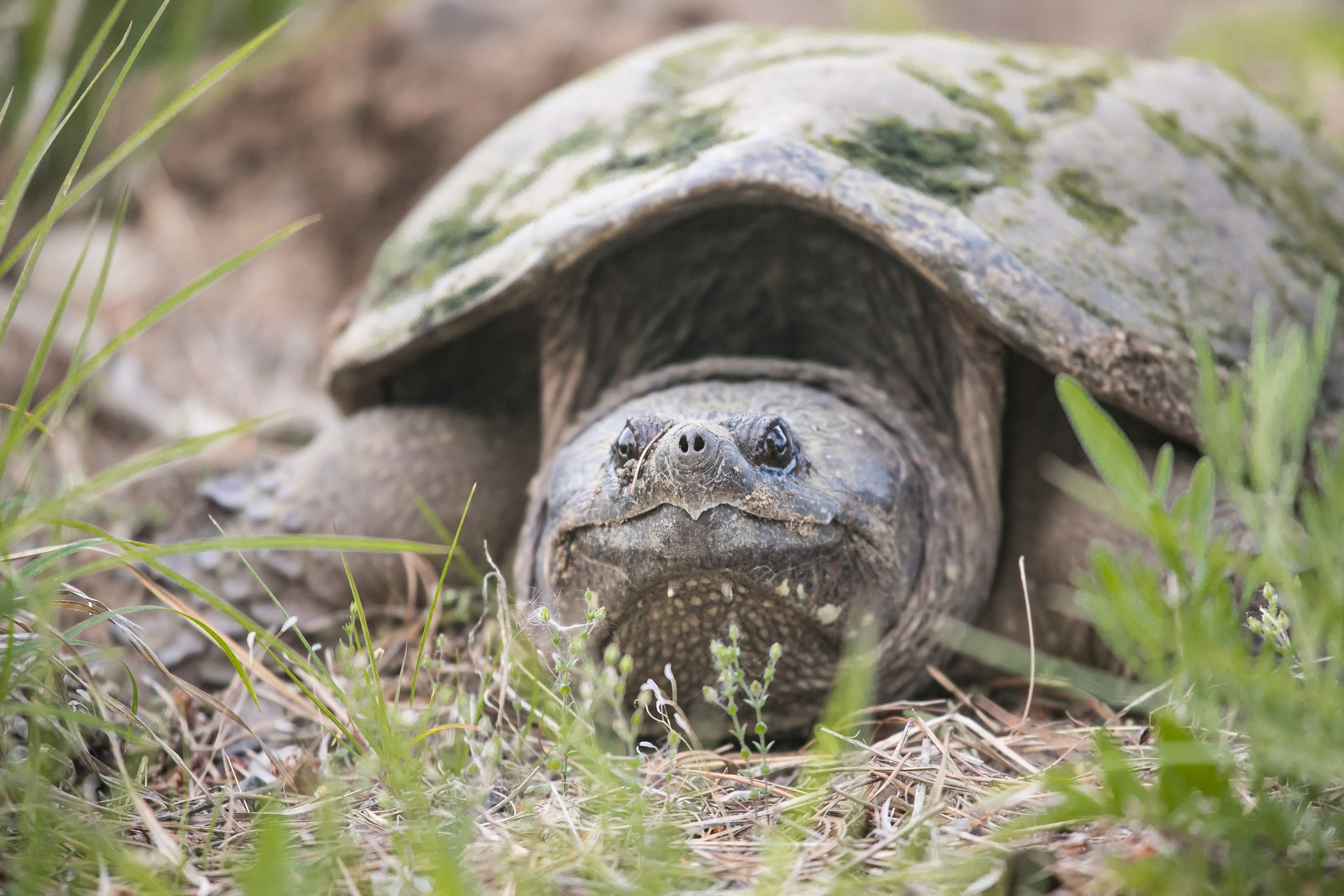
Common Snapping Turtle (Chelydra Serpentina)
The most common turtle Intrepid Wildlife Services runs into is the snapping turtle. Snapping turtles can range in size from 9.8 to 18.5 inches. They weigh between 9.9 and 35.3 pounds, and they can live up to 30 years in the wild. Typically, snapping turtle diets consist of plants. They also eat fish, snakes, smaller turtles, reptiles, invertebrates, and even small birds. These turtles can often be found in shallow streams, ponds, or lakes. In these environments, they will lie at the bottom and raise their head up for air. Usually, when people encounter turtles, it’s on land. The reason for snapping turtles found outside of water is that they will travel long stretches to reach a new location to lay eggs or find a new habitat. Their reproductive season lasts from April to November, with a peak point in June and July.
Turtle Damage
The only damage from snapping turtles is seen at stocked fish ponds and commercial hatcheries, and occasionally duck ponds. The turtles will enter the pond and eat the small fish and even the small ducks.
Health Concerns
The most obvious danger to people is found right in their name. Snapping turtles snap because they are incapable of retreating into their shell; rather, they snap as their primary defense. Usually, these turtles will retreat from a confrontation in both water and on land.
Turtle Removal
There are circumstances where snapping turtles will enter swimming pools or koi ponds on a client’s property and will be unable to get out. A trained technician will arrive and move the turtle to the edge of the pool or pond by net, then carefully grab it by hand and remove it. Afterward, the turtle will be released in a nearby waterway, safely away from homes.
On occasion, Intrepid Wildlife Services has received calls of snapping turtles being seen on the edge of a property, remaining stationary for a long period. This is usually an indicator of a female laying eggs. We recommend not approaching or disturbing and just letting nature take its course. Eventually, the turtle will leave. Once the turtle is gone, try to leave the area undisturbed, as any touch from a human will leave a scent that can attract raccoons, which will make a meal out of the eggs. As rare as it may be, you may be fortunate enough to see the migration of hatchlings; please do not attempt to rescue them.
Turtle Prevention
Establish a fence or barrier around any waterways, such as pools, ponds, or any body of water on your property, to prevent the turtles' access.